
Your home’s heating and cooling system plays a vital role in comfort and energy efficiency. Over time, even the best HVAC units can wear down, causing inefficiency and uneven temperatures. Many homeowners wait too long to replace their systems, which can lead to higher utility bills and costly repairs. Recognizing the signs that your HVAC system is failing allows you to act before small issues become major problems. Consulting a trusted hvac service ensures you know when to upgrade and helps keep your home comfortable year-round.
Age of Your System
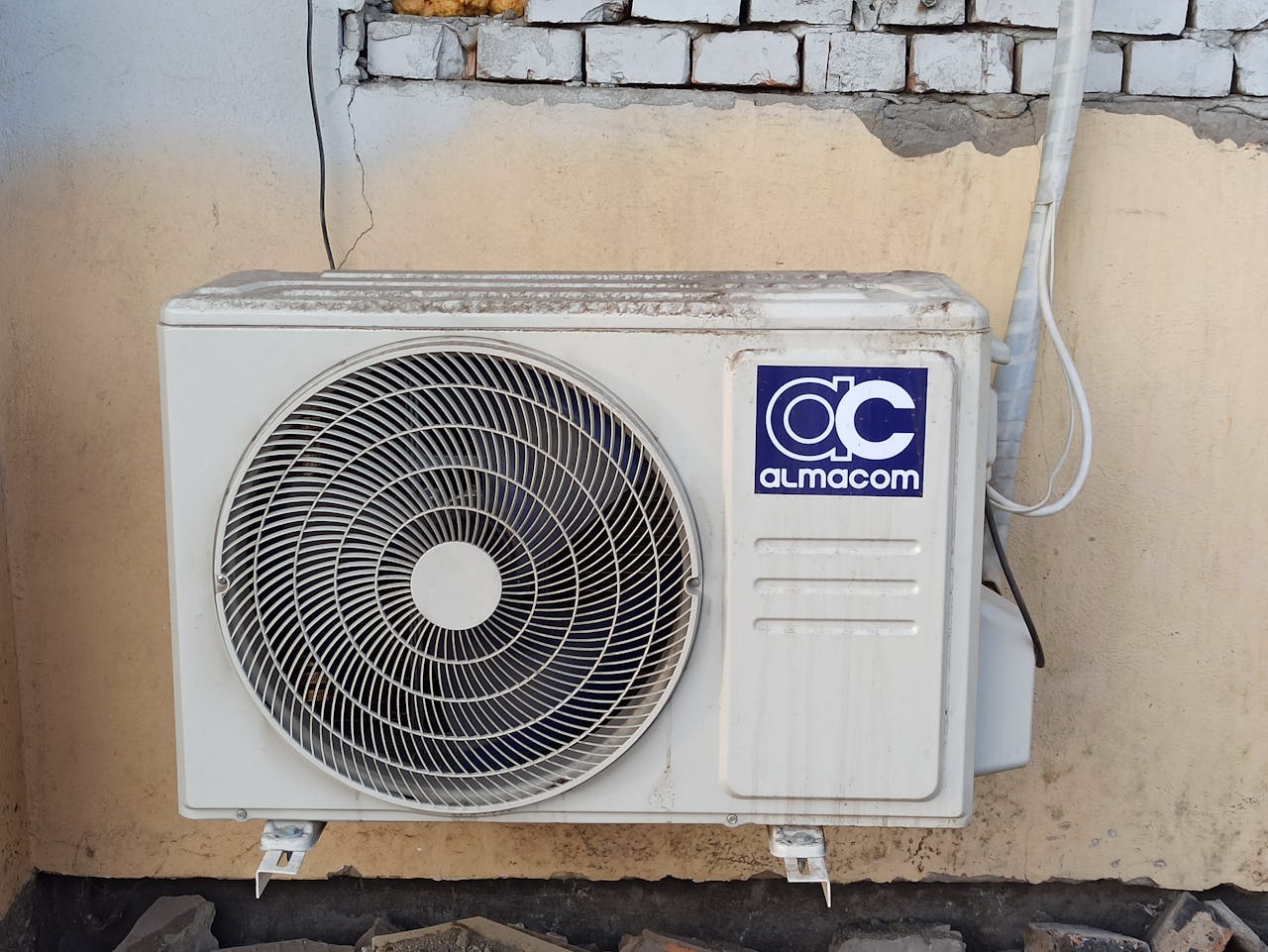 One of the clearest indicators that it may be time for a new system is age. Most HVAC units last between 10 and 15 years. Beyond that, they often require frequent repairs. If your system is approaching or exceeding this range, replacement is usually more cost-effective than continuous fixes. Older systems also lack the energy efficiency and features of newer models. Investing in a modern unit can save money on monthly bills while improving overall comfort.
Increase in Energy Bills
A sudden increase in energy bills can signal that your heating or cooling system is struggling. As components wear down, the system works harder to maintain the desired temperature. This extra effort consumes more electricity, which you’ll notice on your utility statement. If you’ve ruled out other causes, such as poor insulation or extreme weather, it’s likely your HVAC system is losing efficiency. Replacing an outdated unit ensures your home is cooled or heated without draining resources.
Uneven Temperatures
Uneven temperatures across rooms indicate a system that is no longer performing optimally. Some rooms may feel too hot, while others remain cold. This can result from worn-out components, improper sizing, or airflow issues. Homes with multiple levels or complex layouts often experience this problem more acutely. A new system designed to match your home’s size and layout can restore balanced temperatures. Proper installation guarantees every room remains comfortable throughout the year.
Strange Noises or Odors
Odd sounds or unusual smells coming from your heating or cooling system are serious warning signs. Grinding, rattling, or banging noises often point to worn-out parts. Meanwhile, musty or burning odors can signal mold growth or electrical issues. Ignoring these signs can compromise safety and comfort. A new HVAC system eliminates these problems and restores a clean, quiet, and efficient environment.
Frequent Repairs
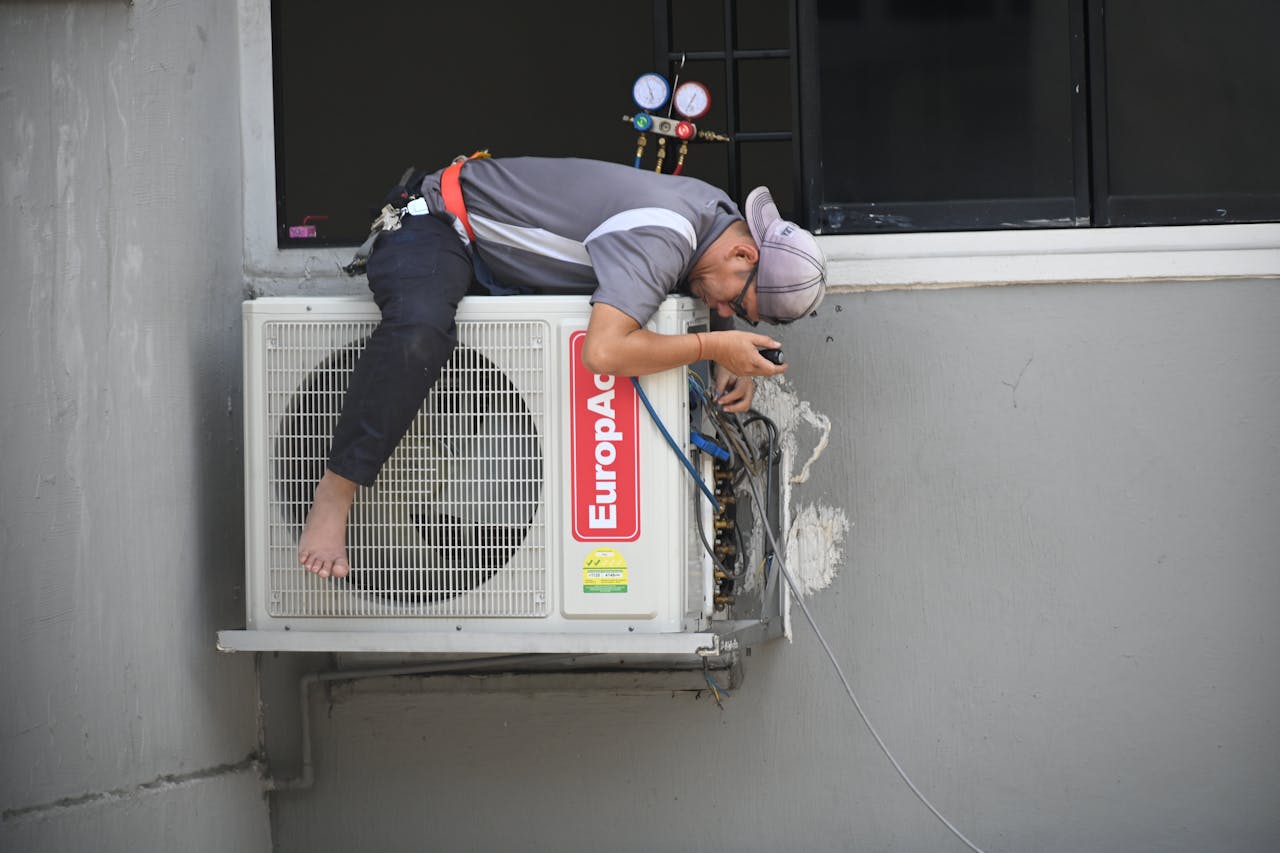
If you find yourself calling a technician repeatedly, it may be a sign that your HVAC system is nearing the end of its life. Frequent breakdowns indicate that components are failing and repairs are becoming less effective. The cost of ongoing fixes can quickly exceed the price of a new system. Installing a new unit reduces stress and minimizes interruptions to daily life. The peace of mind that comes with reliable operation is worth the investment.
Poor Air Quality
If your home’s air feels dusty, dry, or stale, your HVAC system may be failing to filter and circulate air properly. Aging units can harbor dust, mold, and allergens that degrade indoor air quality. Families with children, elderly members, or allergy sufferers are especially affected. Upgrading to a modern system with advanced filtration ensures cleaner air, better humidity control, and a healthier home environment.
Inconsistent Humidity Levels
Proper humidity control is often overlooked when assessing HVAC performance. A system that struggles to maintain optimal humidity can leave rooms feeling clammy or overly dry. This imbalance affects comfort, furniture, and even structural elements like wooden floors. Modern HVAC systems offer improved humidity regulation, providing a more stable and pleasant indoor environment. Addressing humidity issues with a new unit adds both comfort and longevity to your home.
Lack of Modern Features
Older heating and cooling systems may lack the technology that makes modern units more efficient and convenient. Features such as programmable thermostats, zoning capabilities, and smart home integration can dramatically improve comfort and energy savings. Upgrading to a system with these features gives you better control over temperature and usage. Homes benefit from a more responsive, adaptive system that fits today’s lifestyle.
Recognizing the signs that your home needs a new heating or cooling system allows you to plan ahead and avoid discomfort or unexpected expenses. Age, rising energy bills, uneven temperatures, frequent repairs, strange noises, poor air quality, humidity problems, and outdated features all point to a system that may be past its prime. Investing in a modern, efficient HVAC system improves comfort, energy efficiency, and overall home value. Acting early ensures your home remains a safe and comfortable environment for years to come.